
Description
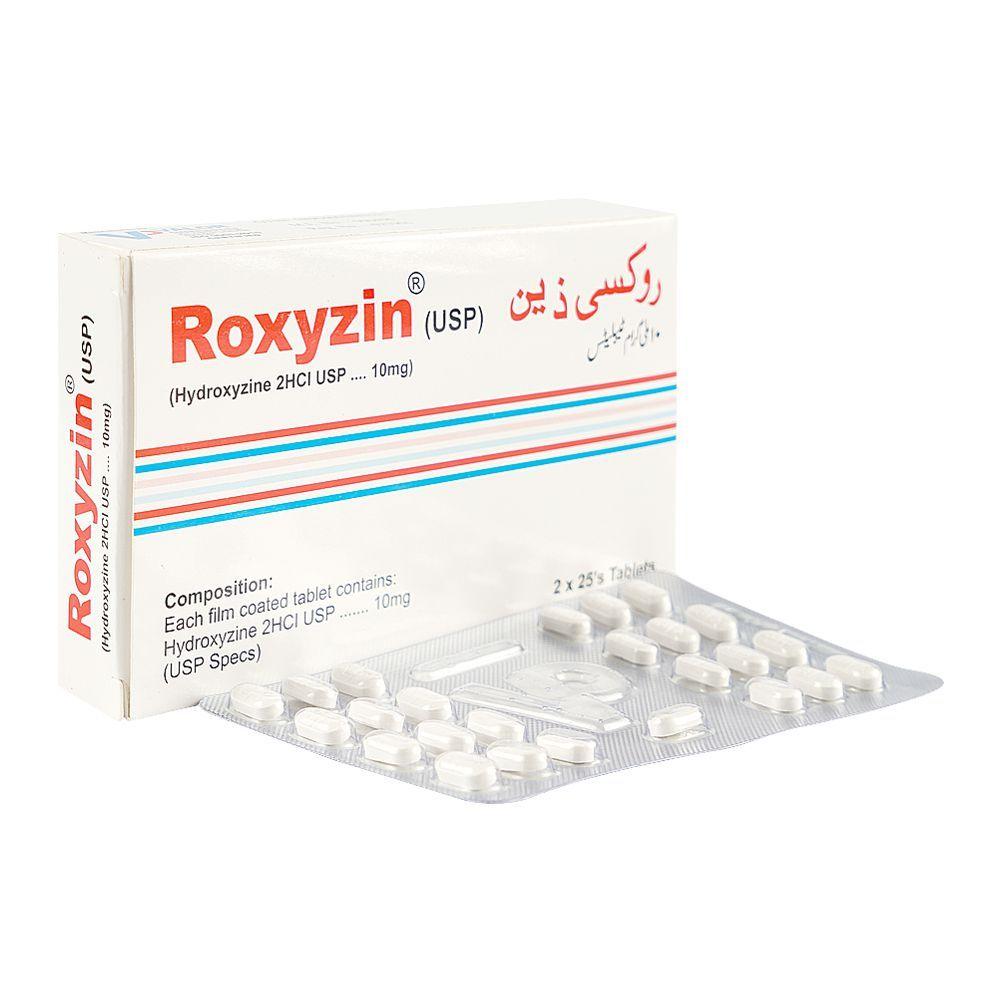
Roxyzin Tablets 10mg (1 Strip = 10 Tablets) Specification
Requires Prescription (YES/NO)
Yes
Generics
Hydroxyzine HCl
Used For
Anxiety
How it works
Hydroxyzine is a first generation antihistamine that crosses the blood/brain barrier extensively and has a high affinity for histaminic receptors into the brain, thereby producing sedativeanxiolytic effects .
Usage And Safety
Dosage
In adults : The maximum daily dose should not exceed 100 mg per day. For symptomatic relief in Atopic Pruritus: Starting dose of 25 mg at night, increasing as necessary to 25 mg three to four times daily. For symptomatic treatment of anxiety: 50-100 mg daily in divided doses. For premedication before surgery: 100 mg given in divided doses. In children (from 30 months of age) : The maximum daily dose should not exceed 100 mg per day. For symptomatic treatment of pruritus: In children up to 40 kg in weight, the maximum daily dose is 2 mg/kg/day in divided doses. In children over 40 kg in weight, the maximum daily dose is 100 mg/day. OR As directed by your physician.
Side Effects
Nervous system disorders : Very common: somnolence ; Common: headache ; Uncommon: dizziness, insomnia, disturbance in attention . Gastrointestinal disorders : Common: dry mouth ; Uncommon: constipation, nausea . General disorders and administration site conditions : Common: fatigue Uncommon: asthenia .
Drug Interactions
Class IA (e.g. quinidine, disopyramide) and III antiarrthymics (e.g. amiodarone, sotalol), some antihistamines, some antipsychotics (e.g. haloperidol), some antidepressants (e.g. citalopram, escitalopram), some antimalarial drugs (e.g. mefloquine, hydroxychloroquine), some antibiotics (e.g. erythromycin, levofloxacin, moxifloxacin), some antifungal agents (e.g. pentamidine), some gastrointestinal medicines (e.g. prucalopride), some medicines used in cancer (e.g. toremifene, vandetanib), methadone, bradycardia-inducing and hypokalaemia-inducing drugs , Antihypertensive drugs , CNS depressants , Alcohol , Betahistine and cholinomimetic drugs , Monoamine oxidase inhibitors , Adrenaline , Phenytoin , Cimetidine , CYP2D6 substrates .
Indication
It is used in adults and children to reduce itching caused by urticaria (nettle rash) and dermatitis (eczema). Hydroxyzine is also used to treat anxiety in adults .
When not to Use
Do not take Hydroxyzine • if you are allergic (hypersensitive) to hydroxyzine hydrochloride, cetirizine, other piperazine derivatives, aminophylline or ethylenediamine, or any of the ingredients of Hydroxyzine (see Section 6 Further information) • if you are an asthmatic who has suffered a bad reaction to an antihistamine in the past • if you have porphyria (a disease which causes stomach pain, constipation, changes in the colour of urine, skin rashes and disturbed behaviour) • if you are pregnant, trying to become pregnant or breast-feeding .
Precautions
Precaution
Caution is needed in patients who have a known predisposing factor to cardiac arrhythmia, including electrolyte imbalance (hypokalaemia, hypomagnesaemia), who have pre-existing heart disease, or who are concomitantly treated with a potentially arrhythmogenic drug. In those patients, use of alternative treatments is to be considered.
Warnings
Warning 1
It should be administered cautiously in patients with increased potential for convulsions .
Warning 2
In elderly patients, it is recommended to reduce the dose of hydroxyzine due to a possible increase in the volume of distribution, prolonged action, and the possible effect of age-related changes on pharmacologic functions, including hepatic metabolism and renal excretion.
Warning 3
Caution should be exercised in patients with pheochromocytoma because the administration of antihistamines may lead to catecholamine release.
Additional Information
Pregnancy category
Always consult your physician before using any medicine.
Storage (YES/NO)
Store this medicine at room temperature, away from direct light and heat.


Reviews
There are no reviews yet.